Pressure Problems: How to Maintain Optimal Water Flow in Your Home Apr 21, 2026
First, understanding the typical causes of water pressure problems is essential. Most often, low water pressure is a result of blockages in your pipes, incorrect pipe sizing, or issues with the municipal water supply. Sediment buildup in the pipes can impede water flow, while incorrect pipe sizes may not accommodate your household’s water needs effectively. It’s also important to ensure that your home plumbing system is in harmony with the pressure provided by your local water department.
An initial step in maintaining good water pressure involves regular pipe maintenance. Sediment and mineral deposits can accumulate over time, leading to partial blockages. Flushing your water heater can often help, as it assists in removing sediment that can settle in pipes. This simple act of preventative maintenance can prevent the gradual pressure reduction that might go unnoticed until it becomes a significant problem.
Another crucial factor to consider is the installation of a pressure regulator. A pressure regulator can be adjusted to control the water pressure entering your home. A well-calibrated regulator ensures that your plumbing system is neither over-pressurized, which can cause leaks, nor under-pressurized, which can lead to weak flow. If you notice sudden changes in water pressure, checking or replacing this regulator might resolve the issue.
For those experiencing persistent low pressure, the possibility of a leak must also be considered. A hidden leak not only affects water pressure but can also lead to extensive water damage if left unchecked. Inspect areas around sinks, toilets, and outdoor spigots for any signs of water leakage. If a leak is suspected but not easily visible, consulting a professional is wise.
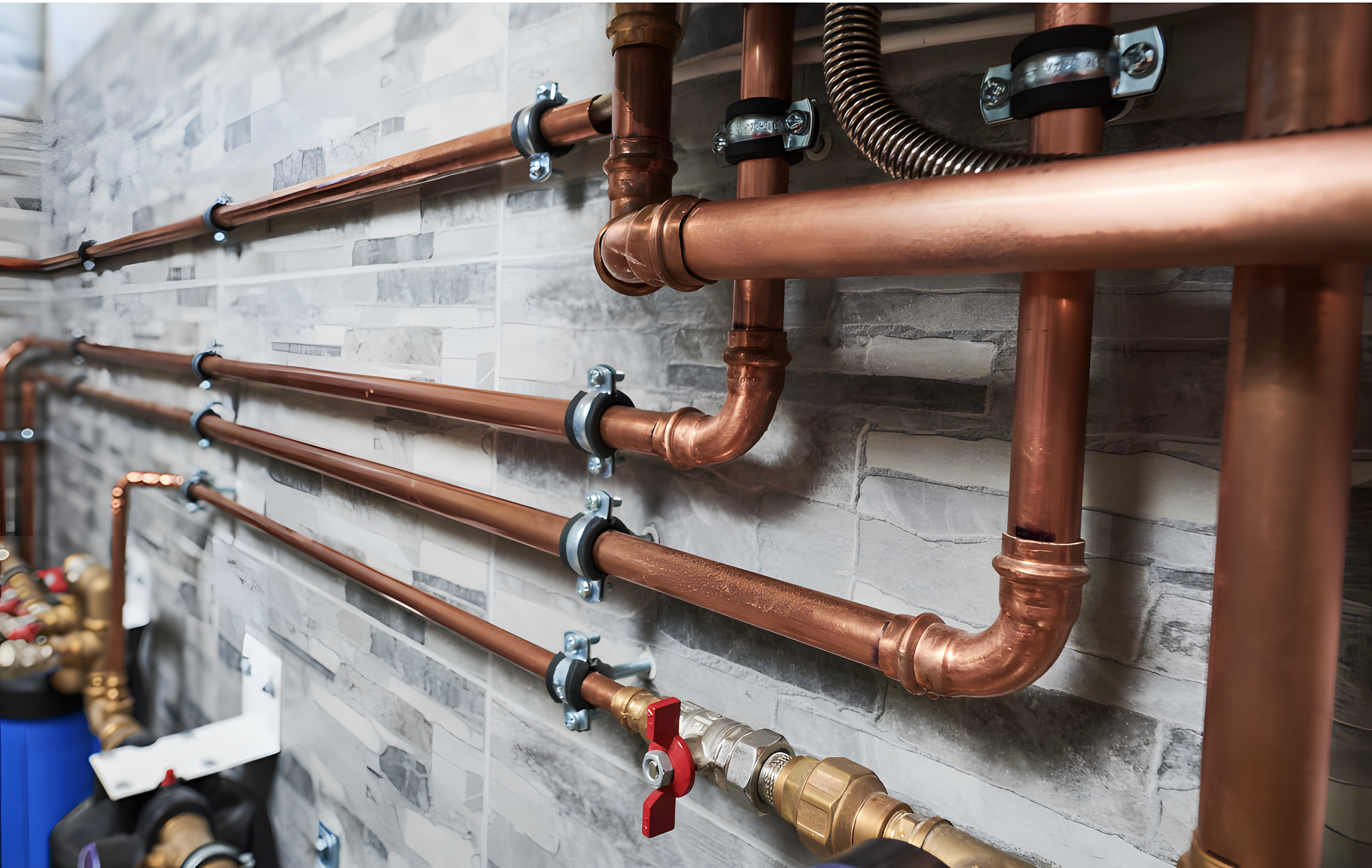
Homeowners should also be aware of the potential problem of galvanized steel pipes. Older homes may still have these pipes, which are prone to corrosion and buildup over time, leading to decreased water flow. Replacing these old pipes with copper or PEX piping may be necessary to restore optimal pressure levels.
Regular assessment of home water pressure is another way to keep your systems running smoothly. Investing in a simple water pressure gauge and testing monthly can alert you to any deviations from normal pressure levels. Ideally, a healthy range is between 40 to 60 PSI, and should your readings fall outside this range, it may be time to seek professional advice.
In conclusion, managing and maintaining proper water pressure is vital for not only the functionality of your home’s plumbing but for long-term savings and property integrity. By staying vigilant with maintenance, inspections, and when necessary, professional interventions, you can ensure continuous optimal water flow throughout your home. For a more comprehensive assessment or solutions tailored to your specific plumbing needs, Water Works Plumbing and Water Specialist stands ready to assist. We bring expertise and dedication to ensure your home’s water system performs flawlessly.
/filters:no_upscale()/filters:format(webp)/media/8623ac9a-6f32-4833-9f5a-ce09d279badc.jpeg)