Decoding Plumbing Codes: What Every Homeowner Should Know Jul 08, 2026
Plumbing codes are a set of regulations aimed at ensuring public health and safety, the conservation of water, and the protection of the environment. These codes are not just arbitrary rules; they exist to maintain a standardized practice for plumbing installations and repairs. While it may seem complex, familiarizing yourself with these codes can prevent potential hazards and legal issues down the line.
The first thing every homeowner should know is that plumbing codes vary by location. Each state or municipality may have different requirements, although the International Plumbing Code (IPC) provides a general framework that many regions adhere to. This means that a plumbing practice permissible in one city might be prohibited in another. Therefore, consulting with a local plumbing expert from Water Works Plumbing is a crucial step before starting any project to ensure compliance with your area's specific codes.
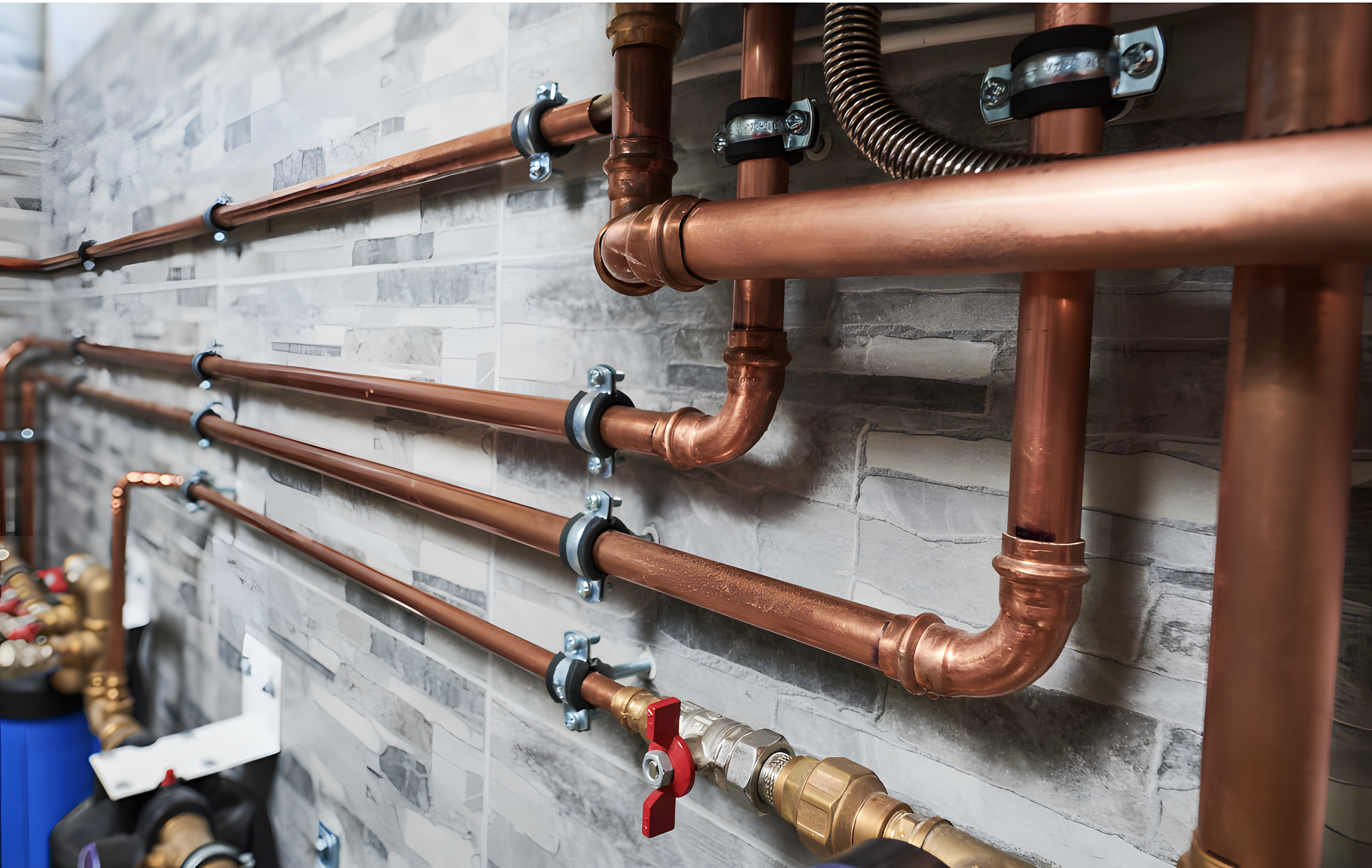
One of the central aspects of plumbing codes is the correct installation of pipes and fixtures. Proper pipe sizing is crucial for maintaining adequate water pressure throughout your home. If pipes are too small, they might restrict water flow, leading to reduced water pressure and potential damage to appliances. Conversely, pipes that are too large can amplify water waste and increase utility costs. Ensuring your pipes meet local criteria can avoid these issues and optimize your home’s water efficiency.
Moreover, venting is another significant consideration. Plumbing codes require an adequate venting system to allow sewer gases to escape your plumbing system safely. Improper venting can lead to unpleasant odors and dangerous gas build-ups, which might pose health risks or violate local building codes.
In addition to understanding these technical specifics, utilizing water-efficient fixtures is another code consideration that benefits homeowners. Modern plumbing codes often include measures aimed at conserving water, such as mandates for low-flow toilets and efficient showerheads. These not only adhere to regulations but also contribute to long-term savings on your water bill, making it a win-win situation for both homeowners and the environment.
Regular maintenance and inspections are pivotal in ensuring ongoing compliance with plumbing codes. Water Works Plumbing and Water Specialist recommend routine check-ups to spot potential issues before they become major problems. Our trained professionals can identify non-compliant installations and rectify them, ensuring your plumbing system is up to standard.
In conclusion, while plumbing codes may initially seem overwhelming, they play a crucial role in maintaining a safe and efficient home. By understanding their importance and application, homeowners can avoid legal pitfalls and ensure their plumbing system operates smoothly. For any concerns or advice on plumbing codes, consulting with a professional service like Water Works Plumbing and Water Specialist can provide peace of mind and expert guidance. Investing the time to understand and comply with plumbing codes is an essential step in safeguarding your home’s infrastructure and enhancing its overall functionality.
/filters:no_upscale()/filters:format(webp)/media/8623ac9a-6f32-4833-9f5a-ce09d279badc.jpeg)